
“`html

A shopper makes a purchase. You dispatch. Everyone appears satisfied. Then, a few weeks later, you receive a chargeback. Or you observe the same card being attempted repeatedly in quick succession, failing initially before succeeding. This could signal that someone is attempting to steal card details to check what is approved.
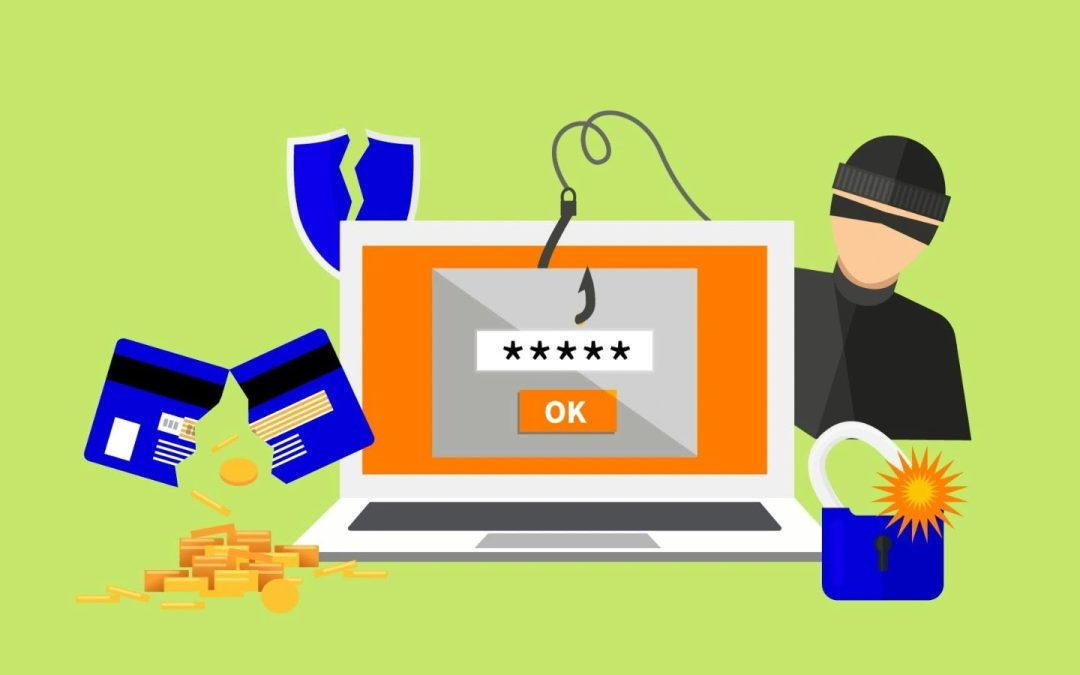
This is the lesson most online retailers grapple with the hard way: not all fraud is identical. Generally, you’re confronting two distinct dangers:
- Fraud: an external individual utilizes stolen card information, compromised login details, bots, or an infiltrated account to place orders.
- Friendly fraud: a genuine consumer contests a charge retrospectively, at times genuinely (they truly don’t recognize the transaction), and at other times unjustly (they received the product and still lodged a dispute).
Both scenarios result in chargebacks, penalties, and lost time. However, the solution is not to “complicate checkout for everyone.” The solution involves utilizing a tool that mitigates fraud for online businesses while ensuring good customers can proceed smoothly.
Below is a guide to the resources that diminish both fraud and friendly fraud without hindering conversions.
Before you implement anything, take ten minutes to respond to these three queries. This helps you avoid wasting funds on an unsuitable solution.
1) Where is the issue occurring?
- Login: individuals accessing customer accounts
- Checkout: illicit card attempts, unusual order patterns
- Refunds: exploitation of refunds, claims of “I never received it”
- Subscriptions: individuals forget, then dispute recurring charges
- Promo codes or gift cards: automated exploitation
2) Who is responsible?
- Bots performing automated card testing
- Criminals employing stolen cards
- Account takeover, where a legitimate customer account is compromised
- Repeat disputers who file chargebacks habitually
3) What’s the actual expense?
It’s not solely the product you lost. It’s also:

- chargeback fees
- time expended by your personnel
- shipping expenses
- customer support workload
- lost income when legitimate buyers are misdeclined (“false declines”)
Once you comprehend the “where,” “who,” and “cost,” the tools below become clear-cut.
Step 2: Block bots and compromised accounts before they reach checkout
Much of the “payment fraud” initiates before payment is made. If your login and account pages are vulnerable, attackers can:
- gain access to accounts
- alter shipping addresses
- place orders using saved payment methods
- create a mess you only recognize post-chargebacks
Beneficial tools encompass:
1) Bot protection
This aids in preventing automated assaults such as:
- card testing (rapid small transactions to discover valid cards)
- fake account generation
- promo code harvesting
- checkout spamming
This averts “credential stuffing” (attackers attempting leaked email/password combinations from other breaches).
Helpful features comprise:
2) Login protection
- rate limiting
- IP reputation evaluations
- anomalous login detection
- mandatory password resets when necessary
3) Device and session evaluations
This discerns unusual activities such as:
- a “new device” logging in and swiftly ordering high-value items
- a client who usually shops locally suddenly ordering from another country
- a session that behaves like a bot (excessively rapid clicks, unnatural navigation)
For sensitive actions, necessitate step-up verification (like a code via email/SMS):
- changing password
- altering address
- modifying email
- adjusting billing information
How does this also assist with friendly fraud?
Some instances of “friendly fraud” chargebacks are, in reality, true fraud resulting from account takeover. If a compromised account places an order, the genuine customer subsequently disputes it as “not authorized.” Preventing account takeover mitigates those disputes.
Step 3: Employ a checkout “risk filter” to ascertain what to approve
During checkout, you require a system that makes obvious determinations about who to permit in and who to exclude:
- Approve (minimal risk)
- Reject (severe risk)
- Request additional verification (medium risk)
- Send for review (only when truly necessary)
What this system examines (in straightforward terms)
Velocity signals (excessive, too quickly)
- The same card is attempting multiple transactions within a minute
- Identical email, placing five orders rapidly
- Several failed payments followed by a success
Mismatch signals
- Billing address does not align with shipping address (sometimes normal, occasionally risky)
- The card’s country does not correspond with the delivery country
- IP location contradicts the narrative of the order
Known
“““html
poor data
- Emails, devices, cards, IPs associated with previous fraud
- Trends your system has assimilated from chargeback records
Generally unusual trends
- Irregular order size for a novice customer
- Expensive purchase with expedited shipping
- Digital products delivered immediately to a questionable account
Basic mindset adjustment
Aim not to obstruct 100% of fraud by rendering checkout unbearable. Strive to:
- minimize overall loss
- while maintaining healthy approval rates
Occasionally, the most beneficial action is to swiftly authorize a low-risk transaction rather than scrutinizing everything excessively.
Certain payment systems feature integrated risk management and reporting, enabling you to oversee approvals and fraud regulations in one location.
Tools such as 3D Secure (3DS) can decrease unauthorized card disputes, as the buyer may have to verify their identity.
However, if you enforce 3DS on every transaction, you might:
- diminish conversion
- irritate genuine customers
- boost cart abandonment
The more intelligent approach
Use additional verification solely when necessary:
- Activate it for dubious orders
- Bypass it for reliable customers and low-risk baskets
Envision it as: “Trust by default, verify when doubtful.”
Step 5: Employ identity checks solely for high-risk situations
Identity verification (ID checks) can be effective, but it introduces friction. Utilize it exclusively where risk is elevated.
Excellent scenarios:
- high-value transactions
- digital products (since fraudsters favor instant delivery)
- questionable “new account + substantial purchase” patterns
- clients with recurring disputes
- subscription registrations presenting multiple warning signs
A straightforward analogy: it’s akin to airport security. Not everyone is selected. Only those who trigger risk indicators.
Step 6: Mitigate “friendly fraud” by eliminating confusion and intercepting disputes promptly
Friendly fraud frequently occurs when a customer feels bewildered or trapped. Examples:
- They don’t recognize the charge label on their bank statement
- They struggle to locate your support contact swiftly
- Your refund/cancellation procedure is slow or vague
- They assert an item never arrived (even if it did)
- They forget about a subscription and panic-dispute instead of canceling
Tools and solutions that minimize friendly fraud
1) Early dispute notifications
These programs can notify you before a dispute escalates into an official chargeback. This provides an opportunity to:
- refund promptly
- resolve the issue
- avert chargeback fees
2) Improved order details recorded
Store clear, straightforward proof:
- tracking numbers and carrier logs
- delivery confirmations
- order confirmation emails
- timestamps
- customer messages and support records
3) Transparent statement descriptor
Ensure the name on the customer’s bank statement corresponds with something they recognize.
If a customer observes an unfamiliar name, they’re likely to dispute it.
4) Transparent policies + straightforward post-purchase updates
Friendly fraud decreases when customers can:
- view shipping updates
- cancel easily (when appropriate)
- comprehend refund timeframes
- contact support quickly
A considerable number of disputes are not “criminal.” They’re “I got irritated and my bank was simpler than your support.”
Step 7: Simplify chargeback management (and expedite wins)
You will never entirely eradicate disputes. The aim is to:
- contest the ones you can win
- refund the ones you cannot
- minimize time spent per case
Helpful tools encompass:
Dispute/chargeback dashboards
A single location to monitor:
- reason codes
- deadlines
- evidence status
- win rate
Automatic evidence collection
The system automatically gathers proof:
- order details
- delivery confirmations
- customer interactions
- login/session history (when applicable)
A centralized location for storing proof
This is crucial. If evidence is dispersed across emails, shipping portals, and spreadsheets, you’ll overlook deadlines or present weak cases.
A basic guideline: if you can’t swiftly demonstrate what transpired, you typically can’t win.
An uncomplicated setup that most enterprises should possess
If you’re starting from the ground up, this is the most straightforward stack covering both issues:
- Bot and login security
- Checkout risk filter (approve/decline/verify/review)
- Additional verification solely for dubious orders
- Identity checks restricted to high-risk acquisitions
- Early dispute notifications (where applicable)
- Clear descriptors + transparent post-purchase communication
- Proof collection for disputes
This configuration minimizes fraud without penalizing genuine customers.
Metrics to monitor (straightforward and useful)
You don’t require a convoluted dashboard. Track these:
- Fraud rate (verified fraud / total transactions)
- Chargeback rate
- Approval rate (are you denying legitimate customers?)
- Refund rate (excessive can indicate abuse; too low can imply more disputes)
- Dispute win rate
- Time invested per dispute (a significant hidden expense)
These figures indicate whether your tools are genuinely assisting or merely creating additional friction.
Conclusion
Fraud prevention functions optimally when you regard it as layers, rather than a solitary “magic tool.”
Eliminate bots and compromised accounts early. Employ intelligent checkout filtering. Incorporate additional verification only as necessary. Alleviate friendly fraud by clarifying procedures and preventing disputes before they arise. Maintain solid evidence to ensure chargebacks are simpler to manage.
The objective is straightforward:

“`