
“`html

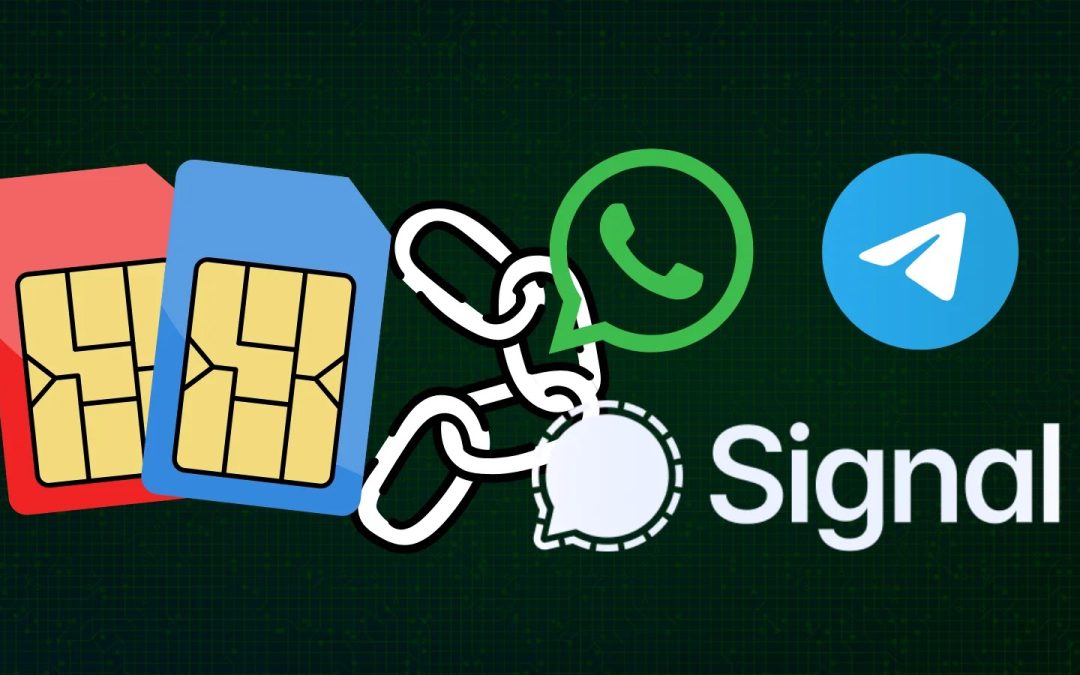
India has introduced a compulsory SIM-binding regulation for messaging platforms, including WhatsApp, Telegram, Signal, Snapchat, and others.
The Department of Telecommunications released an order on November 28 requiring all app-based communication services to guarantee that users maintain an active SIM card in their devices to utilize messaging capabilities.
According to the new regulations, messaging services must comply within 90 days by ensuring that functionalities only operate when an active SIM is available.
New SIM-Binding Regulation
Moreover, web versions of these applications will need to automatically log users out every 6 hours, necessitating them to re-authenticate through a QR code.
All service providers are mandated to submit compliance reports to the Telecom Department within 120 days. Failure to comply results in penalties under the Telecommunications Act, 2023, and relevant cybersecurity laws.
The government defended this action by citing increasing losses from digital fraud, which totaled Rs 22,800 crore in 2024.

Officials contend that persistent SIM linkage will restore accountability to accounts involved in phishing schemes, investment frauds, digital arrest deception, and exploitative loan practices.
By linking each active account to a KYC-verified SIM, authorities assert they can effectively monitor.
Prevent international digital crimes that take advantage of the current system, in which messaging applications continue to operate after SIM removal or deactivation. The directive has elicited mixed reactions from industry stakeholders.
The Cellular Operators Association of India (COAI), representing major telecom companies such as Reliance Jio, Bharti Airtel, and Vodafone Idea, strongly endorses the initiative.
COAI maintains that ongoing SIM linkage ensures total accountability and closes enduring security loopholes that have facilitated privacy violations and misuse of communication platforms.
Conversely, the Broadband India Forum (BIF), representing tech giants like Meta and Google, voiced substantial apprehensions regarding the directive.
BIF argues that the stipulations extend beyond the telecommunications regulatory framework and present considerable jurisdictional, consumer impact, and operational risks.
As per reports, the government has requested that they pause implementation timelines and conduct broader stakeholder consultations prior to moving forward.
The ruling affects all messaging applications operating in India and impacts millions of users. The government clarified that the directive does not affect users who keep active SIM cards in their devices while traveling internationally.
Service providers now face a critical 90-day period to redesign their authentication frameworks to comply with these developing regulations.

“`